Bitcoin’s price often grabs headlines, but price alone does not fully explain its significance. To understand Bitcoin properly, it’s essential to look at market value, which reflects how participants collectively price the asset at any moment.
Market value captures expectations, scarcity, adoption, and macro conditions in one number. It fluctuates constantly because markets are forward-looking.
Understanding how Bitcoin’s market value forms helps investors separate short-term noise from long-term signals.
What Market Value Means in Bitcoin

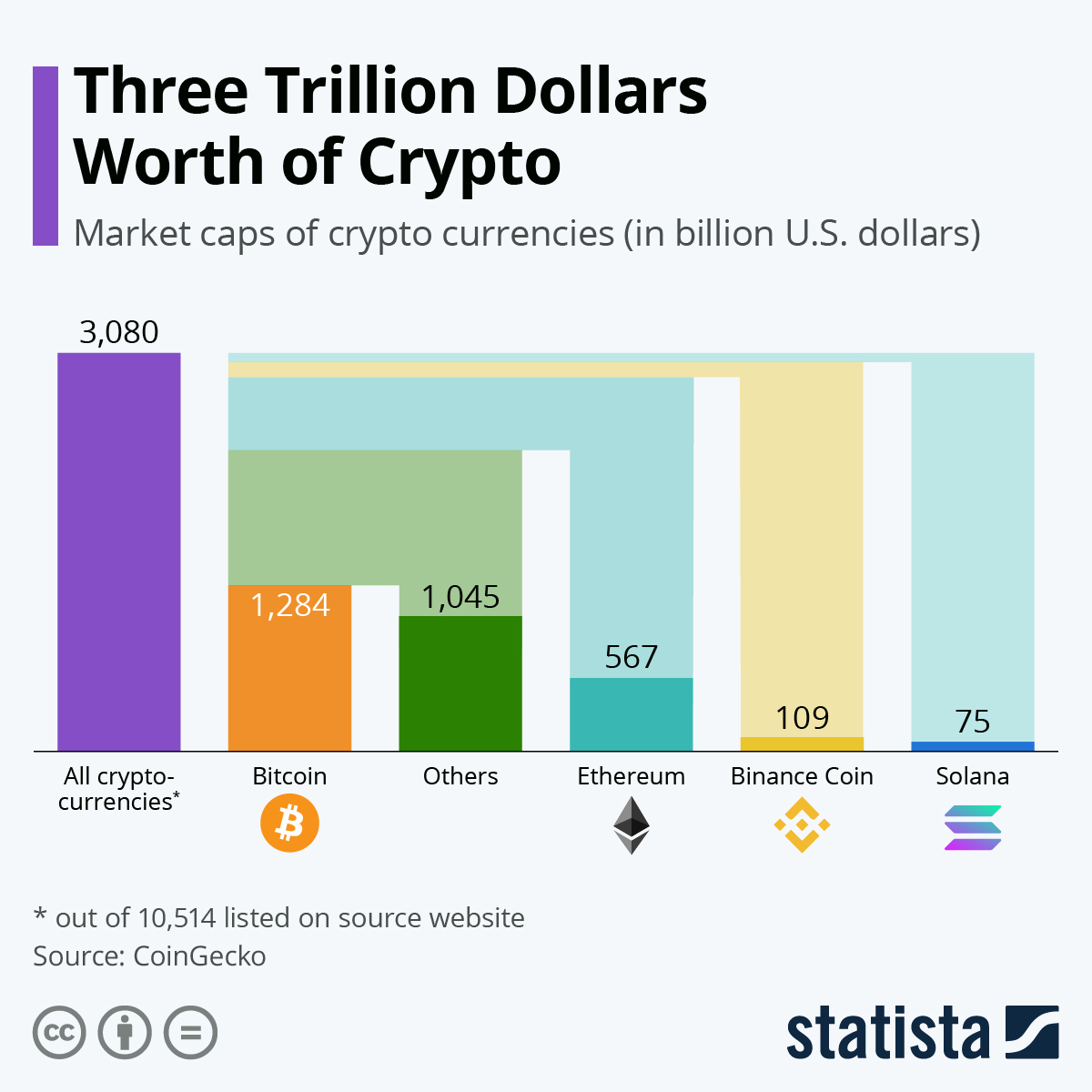
Market value represents the total worth the market assigns to Bitcoin at a given time.
It is calculated by multiplying price by circulating supply.
This metric reflects consensus rather than intrinsic certainty.
Market Value vs Price in Bitcoin Markets

Price shows what one unit trades for.
Market value shows how large the entire network is.
Two assets can have similar prices but vastly different market values.
Bitcoin Supply Mechanics and Scarcity

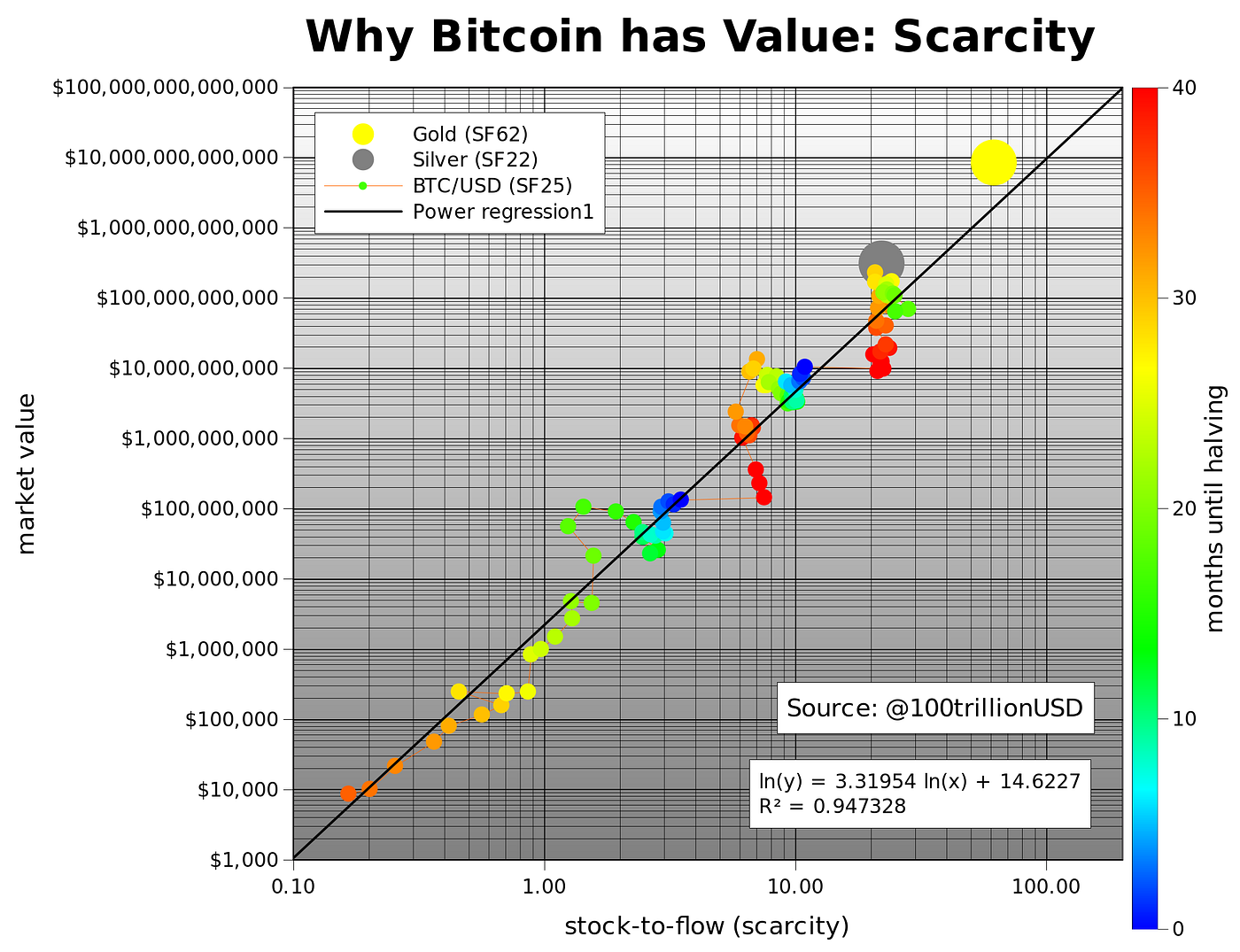
Bitcoin’s supply is capped at 21 million coins.
This fixed supply introduces digital scarcity.
Scarcity is a core driver of long-term market value.
Circulating Supply vs Total Supply

Not all Bitcoin is actively traded.
Lost coins and long-term holdings reduce effective supply.
Lower available supply increases sensitivity to demand.
Demand Drivers Behind Bitcoin Market Value

Demand comes from investors, institutions, and users.
Use cases include store of value, hedge, and settlement.
Growing demand against fixed supply pressures market value upward.
Role of Market Sentiment
Sentiment reflects collective emotion.
Fear compresses market value, while optimism expands it.
Sentiment often moves faster than fundamentals.
Bitcoin Market Cycles and Valuation Phases


Bitcoin historically moves in cycles.
Expansion phases inflate market value, contractions reset expectations.
Cycles reflect liquidity, adoption, and macro conditions.
Impact of Halving Events on Market Value

Halving events reduce new supply issuance.
Reduced supply growth alters market dynamics.
Historically, halvings precede long-term market value increases.
Institutional Participation and Market Value

Institutions add capital depth and legitimacy.
Large inflows can shift market value significantly.
Institutional interest often stabilizes volatility over time.
Liquidity and Trading Volume Effects


Liquidity determines how easily value moves.
Low liquidity exaggerates price swings.
High liquidity supports more stable market value discovery.
Macro-Economic Factors and Bitcoin Value

Interest rates, inflation, and currency stability matter.
Bitcoin’s market value often reacts to monetary policy shifts.
Macro uncertainty increases alternative asset demand.
Network Growth and Adoption Metrics

Active addresses and transaction counts indicate usage.
Network growth supports valuation beyond speculation.
Adoption strengthens long-term market value foundations.
Speculation vs Fundamental Valuation

Short-term moves are often speculative.
Long-term market value aligns with fundamentals.
Distinguishing the two improves decision-making.
Risk Factors That Compress Market Value
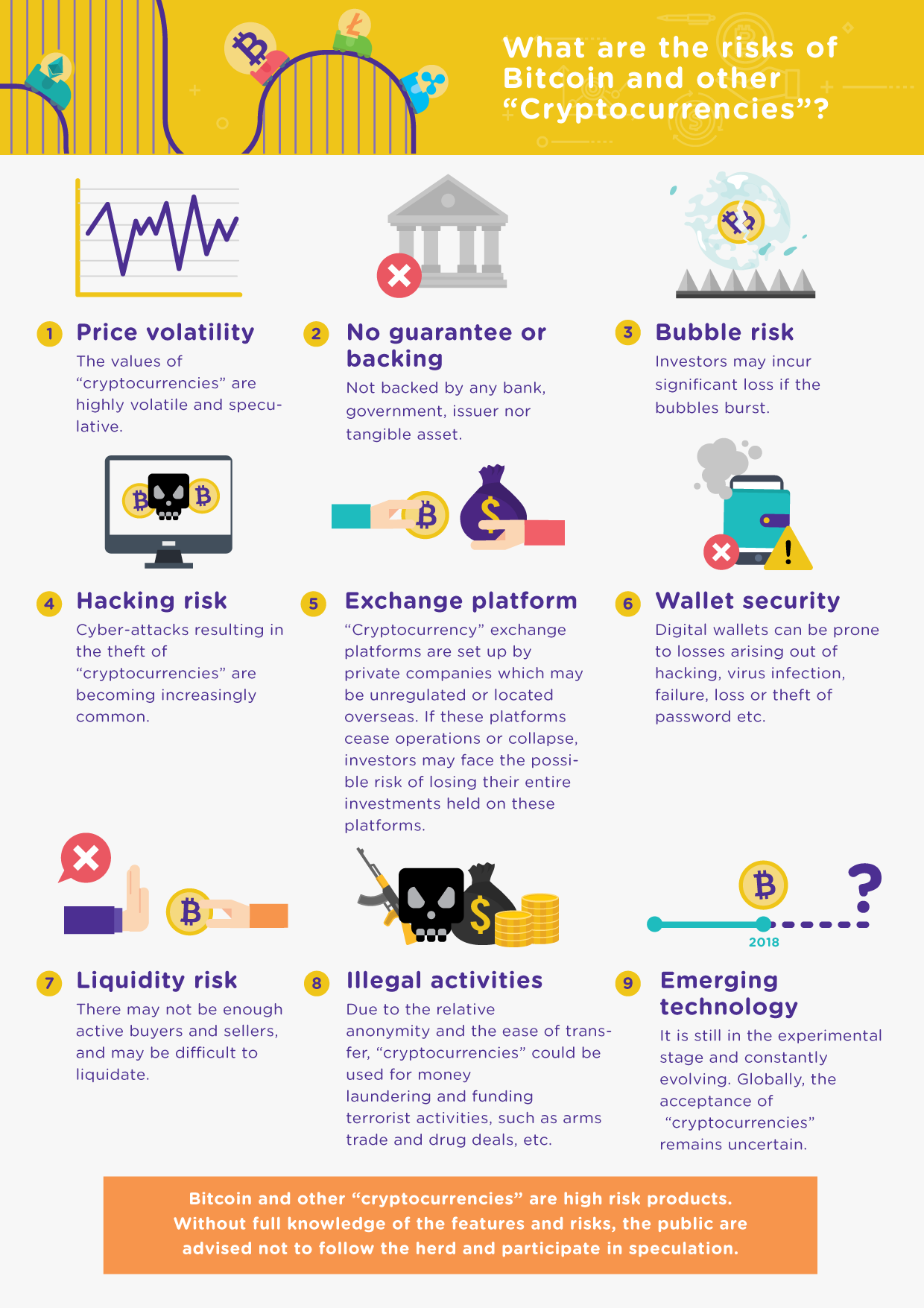
Risks include regulation, leverage, and macro shocks.
Market value contracts rapidly during uncertainty.
Risk awareness protects capital.
Comparing Bitcoin Market Value to Other Assets


Bitcoin’s market value is small relative to gold or equities.
This comparison highlights growth potential and volatility.
Relative size explains sensitivity to capital flows.
Long-Term Perspective on Bitcoin Market Value

Long-term valuation depends on adoption and trust.
Time reduces speculative noise.
Patience aligns with fundamental growth.
Common Misconceptions About Market Value

Market value is not guaranteed worth.
It reflects current consensus, not certainty.
Understanding this prevents emotional reactions.
FAQ
What is market value in Bitcoin?
It represents the total valuation based on price and supply.
Is market value the same as intrinsic value?
No, it reflects market consensus.
Why does Bitcoin market value fluctuate?
Because demand, sentiment, and liquidity change.
Does scarcity affect market value?
Yes, limited supply increases sensitivity to demand.
Can market value predict future price?
It offers context, not certainty.
Conclusion
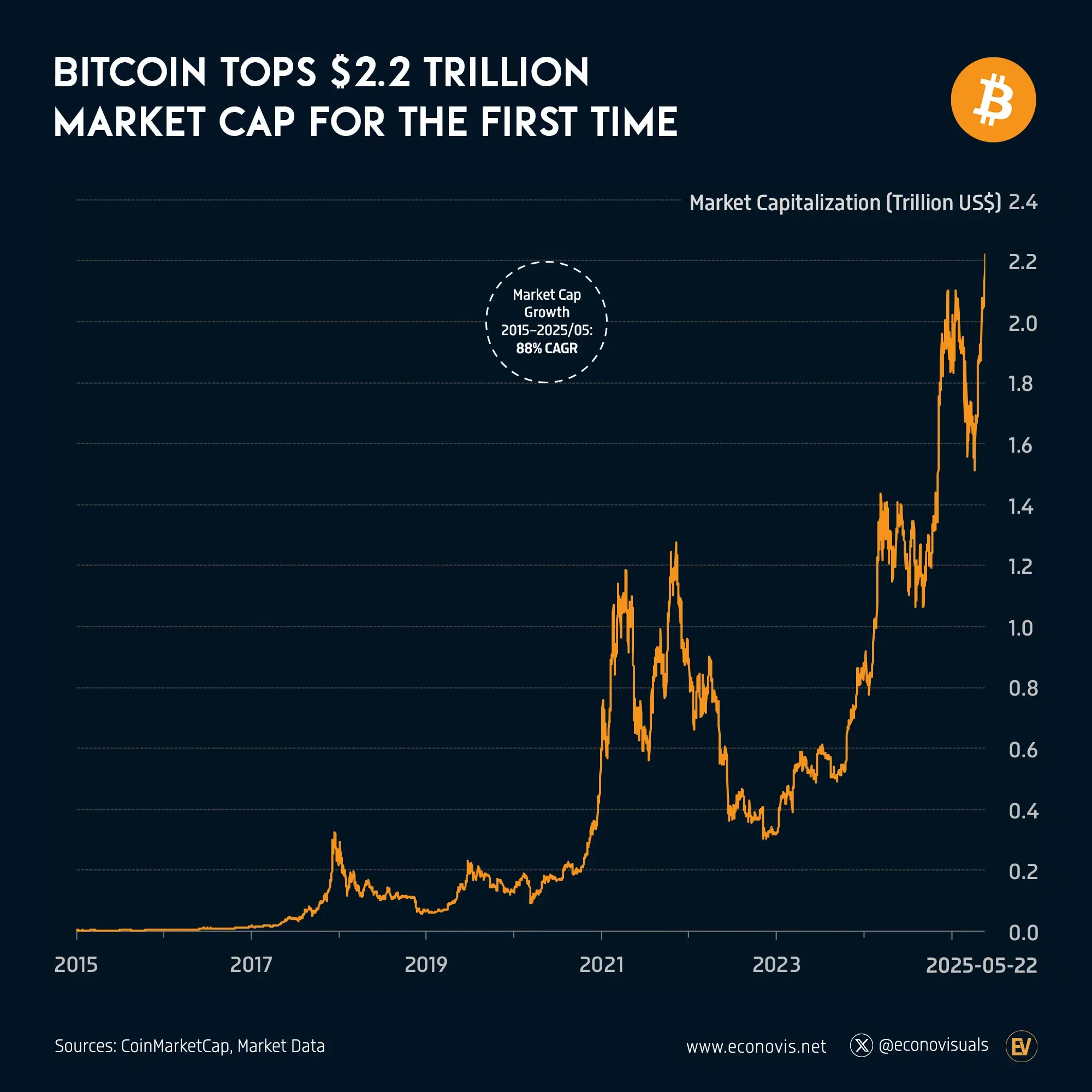
Bitcoin’s market value is a living reflection of supply, demand, sentiment, and macro forces. It changes constantly because expectations change.
By understanding what drives market value, investors gain clarity beyond daily price movements.
In the long run, adoption, scarcity, and trust shape where market value settles.