Technical analysis is the study of market behavior through price, volume, and structure rather than news or speculation. Traders use charts to identify probability, not certainty. OL technical analysis focuses on clarity, repeatability, and disciplined interpretation of price behavior.
Instead of reacting emotionally, technical analysis provides a framework for decision-making. Patterns repeat because human behavior repeats.
Understanding technical analysis helps traders align with market structure rather than fight it.
Understanding OL Technical Analysis Philosophy

OL technical analysis is grounded in price-first thinking. Indicators are secondary tools, not primary signals.
The philosophy emphasizes market structure, trend direction, and context.
Consistency comes from following rules rather than predictions.
Market Structure and Price Behavior


Market structure describes how price forms highs and lows.
OL technical analysis uses structure to define trends, ranges, and transitions.
Recognizing structure reduces false signals and overtrading.
Trend Identification and Directional Bias


Trends represent sustained market direction.
OL technical analysis defines trends through higher timeframe alignment.
Trading with the trend improves probability and reduces stress.
Support and Resistance Framework

Support and resistance mark areas of repeated interest.
OL technical analysis treats these zones as reaction areas, not exact lines.
They guide entries, exits, and risk placement.
Chart Patterns and Market Psychology

Patterns reflect crowd behavior.
OL technical analysis studies continuations and reversals within context.
Patterns work best when aligned with structure and trend.
Indicators as Confirmation Tools

Indicators measure momentum and conditions.
OL technical analysis uses indicators for confirmation, not signals alone.
Over-reliance on indicators leads to lagging decisions.
Volume Analysis and Market Participation

Volume reveals participation strength.
OL technical analysis integrates volume to confirm breakouts and reversals.
Price moves with low volume lack conviction.
Multiple Timeframe Analysis
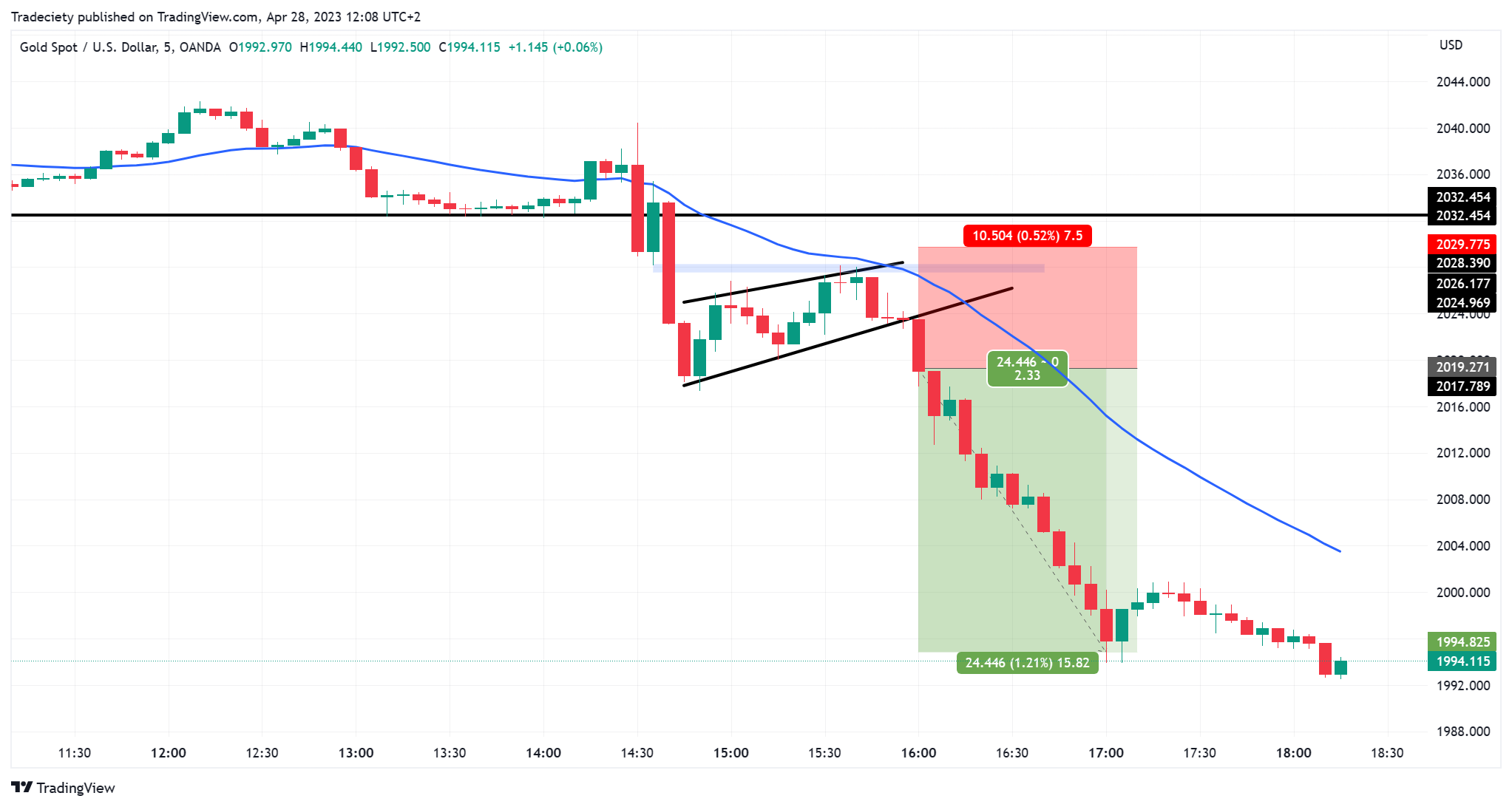
Multiple timeframes provide context.
OL technical analysis starts from higher timeframes and refines entries below.
This approach aligns short-term trades with larger trends.
Entry Strategies and Trade Triggers
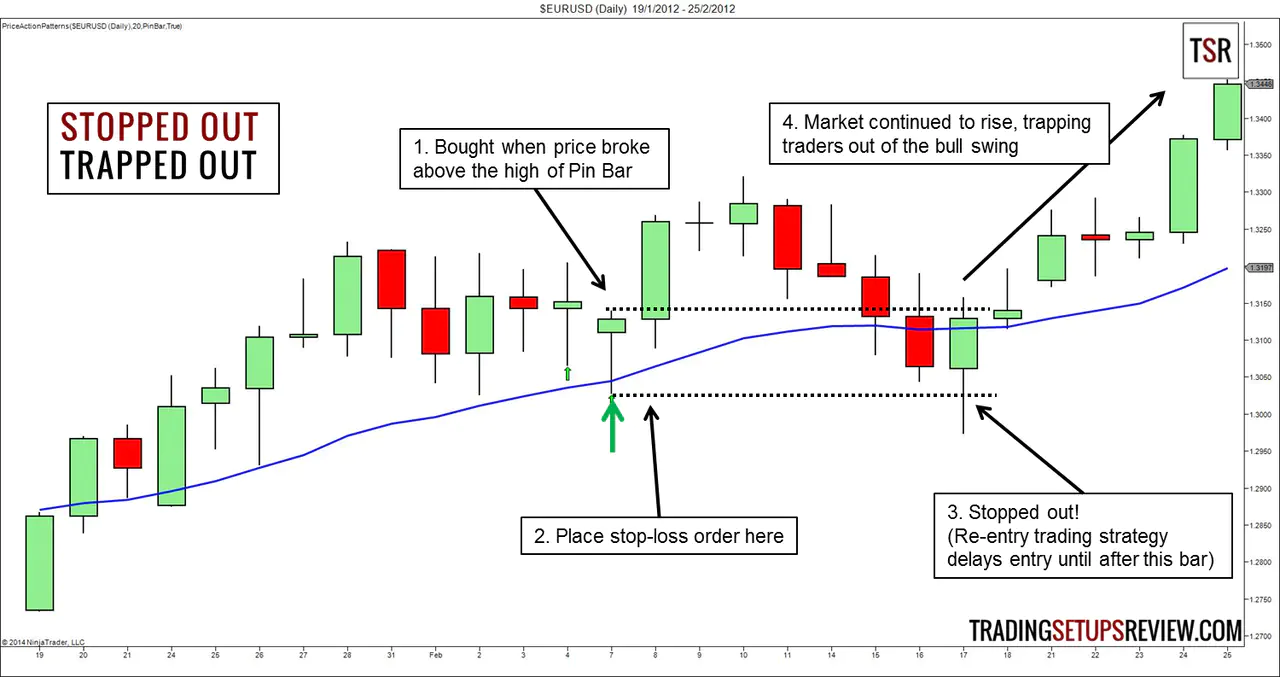
Entries depend on confirmation and timing.
OL technical analysis favors pullbacks and structure breaks.
High-quality entries reduce stop distance and risk.
Stop-Loss Placement and Risk Definition
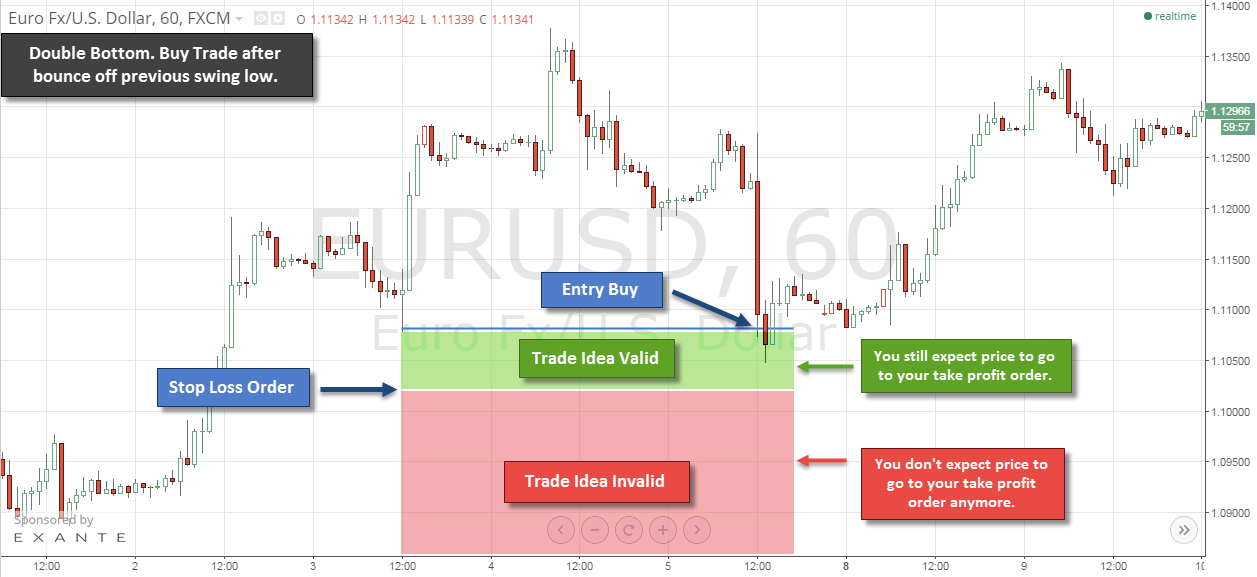
Risk is defined before entry.
OL technical analysis places stops beyond invalidation points.
Clear risk prevents emotional decision-making.
Position Sizing and Capital Management

Position size controls outcome volatility.
OL technical analysis limits risk per trade.
Capital management ensures longevity.
Market Conditions and Volatility Regimes

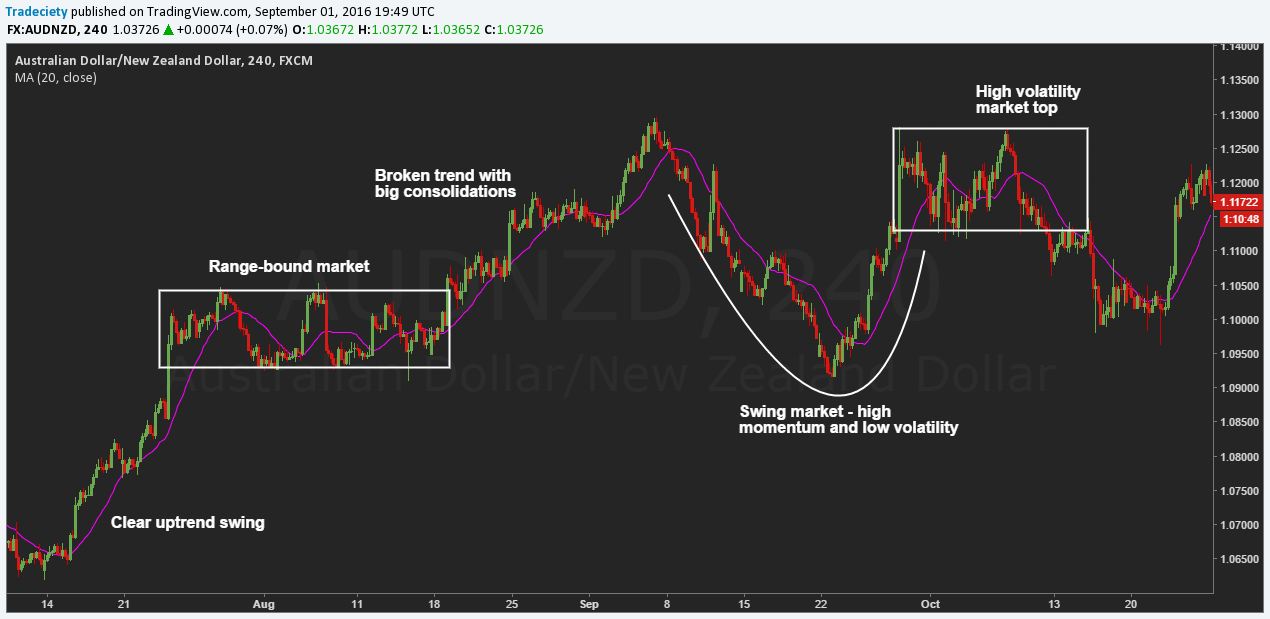
Markets alternate between trending and ranging.
OL technical analysis adapts strategies to conditions.
Using the wrong strategy increases losses.
Backtesting and Data-Driven Improvement
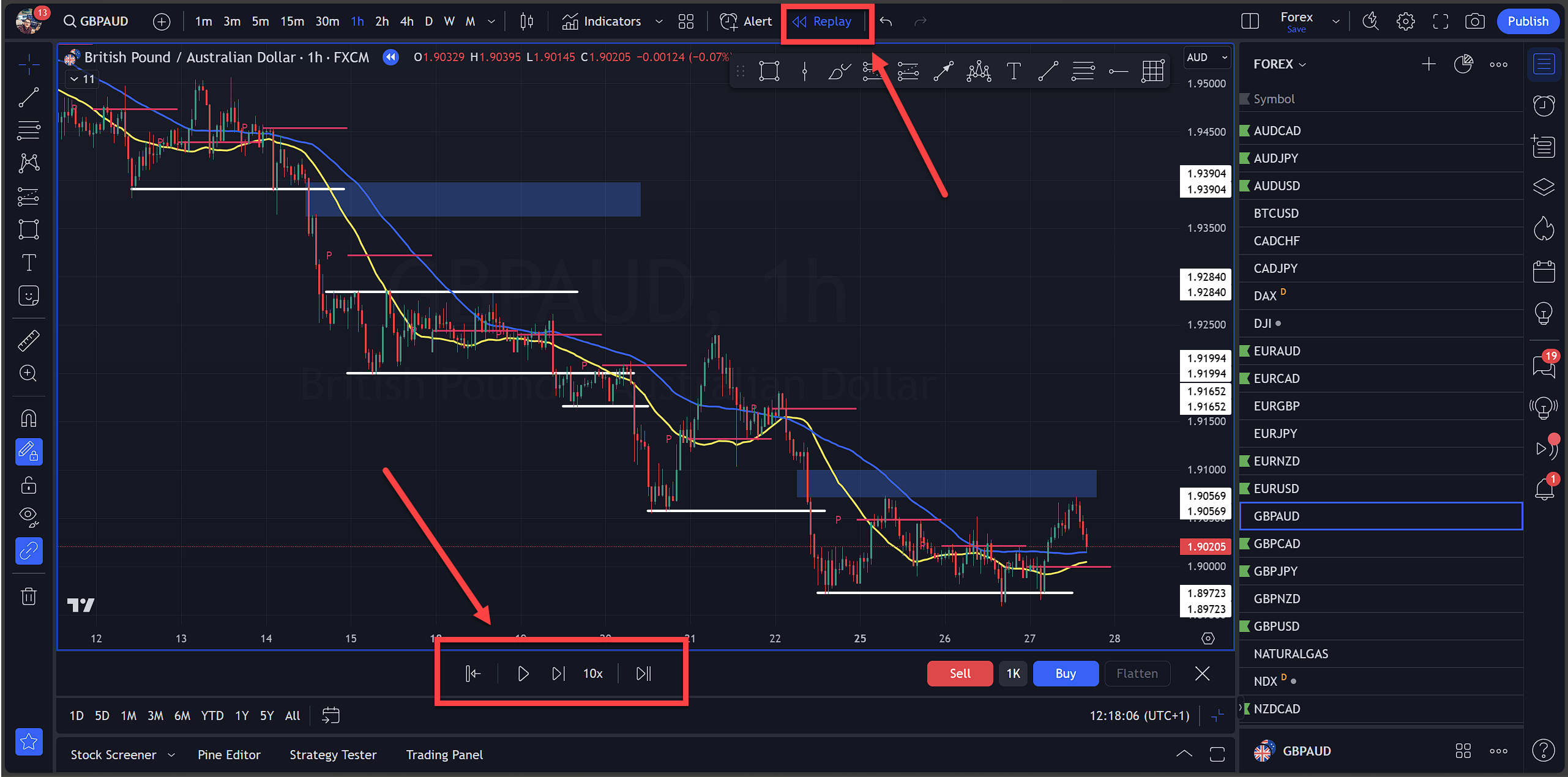
Backtesting validates assumptions.
OL technical analysis relies on data, not memory.
Reviewing performance refines execution.
Technical Analysis Across Asset Classes
Technical principles apply universally.
OL technical analysis adapts to stocks, forex, and crypto.
Liquidity and volatility require adjustment.
Common Technical Analysis Mistakes
Mistakes include indicator overload and bias.
OL technical analysis emphasizes simplicity.
Avoiding errors improves consistency.
FAQ

What is OL technical analysis?
A price-focused framework for interpreting market behavior.
Are indicators required?
No, they are optional confirmation tools.
Does technical analysis work in all markets?
Yes, with adjustments for volatility and liquidity.
Is technical analysis predictive?
It identifies probabilities, not certainties.
Can beginners learn technical analysis?
Yes, with practice and discipline.
Conclusion
Technical analysis is a skill built through observation, structure, and repetition. OL technical analysis emphasizes clarity, discipline, and probability-based decisions.
By focusing on price behavior, managing risk, and reviewing performance, traders improve consistency.
Success comes from following a process—not chasing outcomes.