Swing trading sits between day trading and long-term investing, offering traders the opportunity to capture meaningful price movements over days or weeks. Tabaxi swing trading approaches emphasize agility, patience, and precision—qualities required to navigate volatile markets without constant screen time.
Rather than reacting to every price fluctuation, swing traders wait for high-probability setups. This style rewards discipline and planning more than speed.
Understanding swing trading principles helps traders reduce emotional decisions and build consistency.
Understanding Tabaxi Swing Trading Philosophy


Tabaxi swing trading focuses on identifying momentum within established trends.
The philosophy values calculated entries and exits rather than constant trading.
Patience and adaptability form the foundation of sustainable swing trading performance.
Market Structure and Trend Identification


Market structure defines how price moves between highs and lows.
Tabaxi swing trading prioritizes higher highs and higher lows in uptrends, and the opposite in downtrends.
Clear structure improves trade selection and reduces noise.
Timeframes Used in Swing Trading

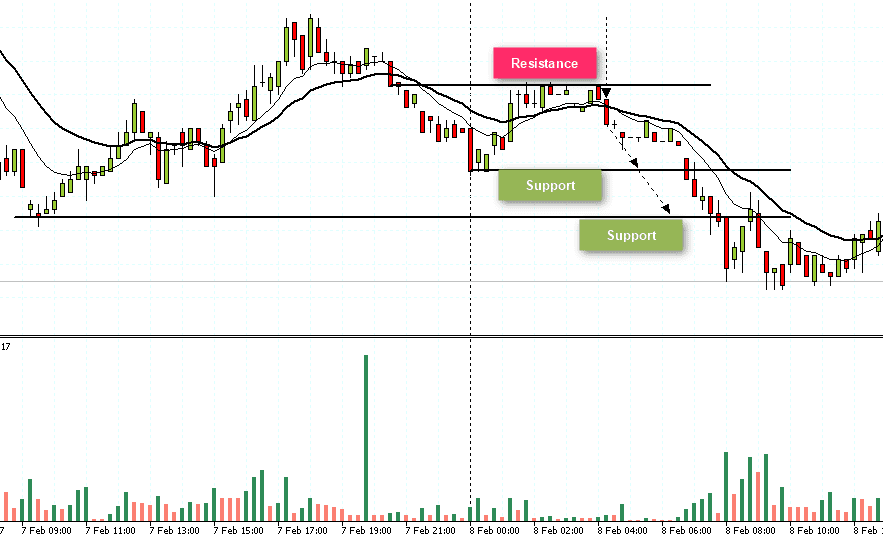
Swing traders rely on higher timeframes for clarity.
Tabaxi swing trading commonly uses daily and four-hour charts for entries and management.
Higher timeframes reduce emotional overtrading.
Technical Indicators Supporting Swing Trades

Indicators provide confirmation, not signals alone.
Tabaxi swing trading uses moving averages, RSI, and volume as supporting tools.
Indicators work best when aligned with price action.
Support and Resistance Levels
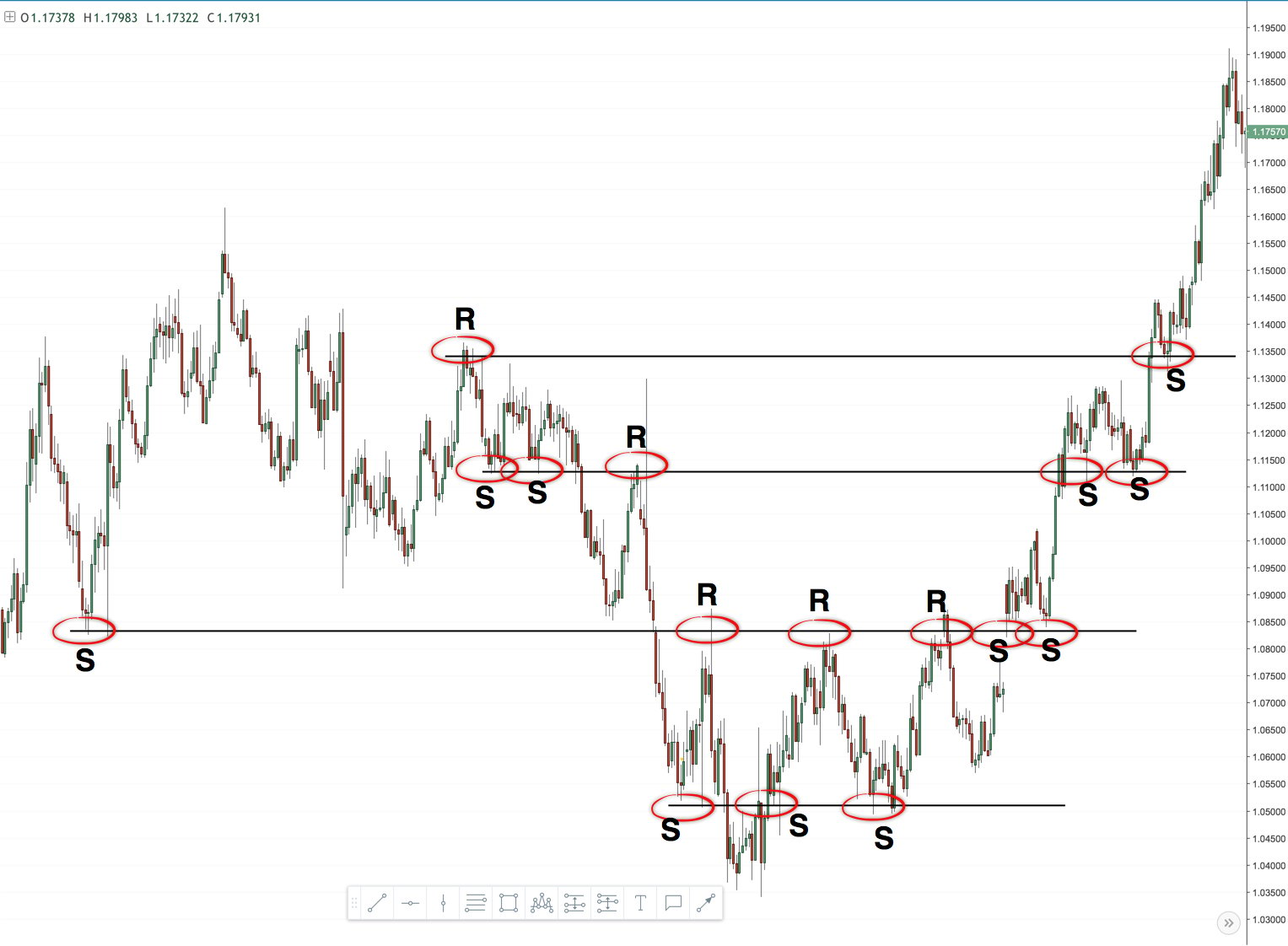
Support and resistance guide entries and exits.
Tabaxi swing trading respects historical price reactions.
These levels define risk and reward boundaries.
Entry Strategies for High-Probability Trades

Entries require confirmation and timing.
Tabaxi swing trading favors pullbacks within trends rather than breakouts alone.
Quality entries reduce stop-loss exposure.
Stop-Loss Placement and Risk Control
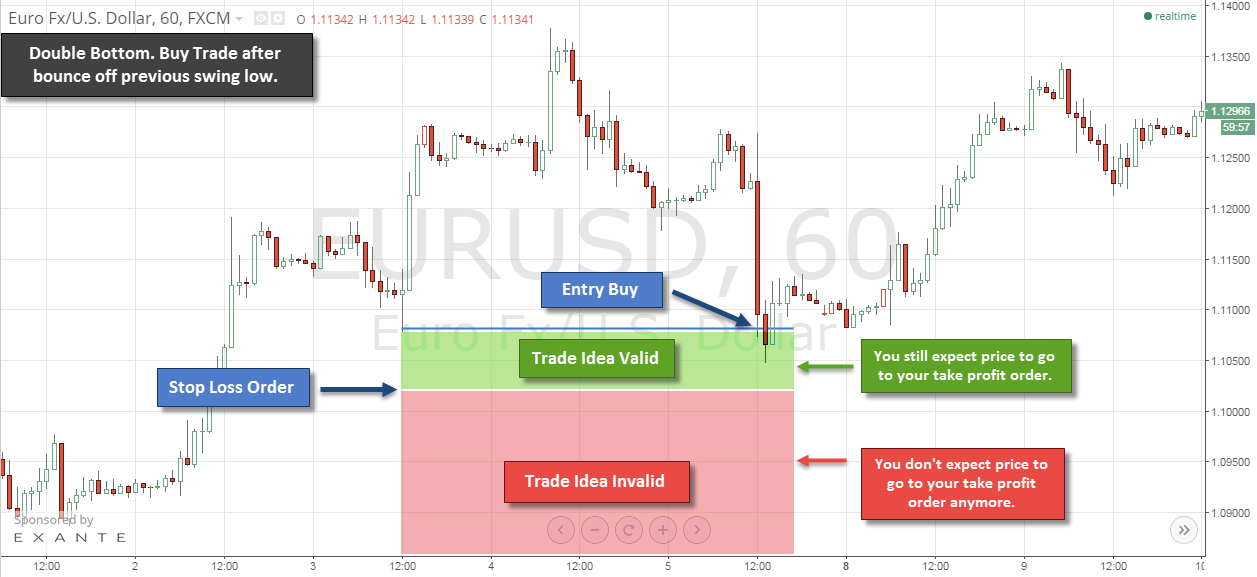
Risk control protects trading capital.
Tabaxi swing trading uses predefined stop-loss levels based on structure.
Consistent risk management ensures long-term survival.
Position Sizing and Capital Allocation


Position sizing determines outcome stability.
Tabaxi swing trading limits exposure per trade.
Controlled allocation prevents emotional drawdowns.
Trade Management and Scaling Out

Managing trades matters as much as entry.
Tabaxi swing trading includes partial profit-taking and trailing stops.
Trade management locks in gains while allowing upside.
Swing Trading Psychology and Discipline
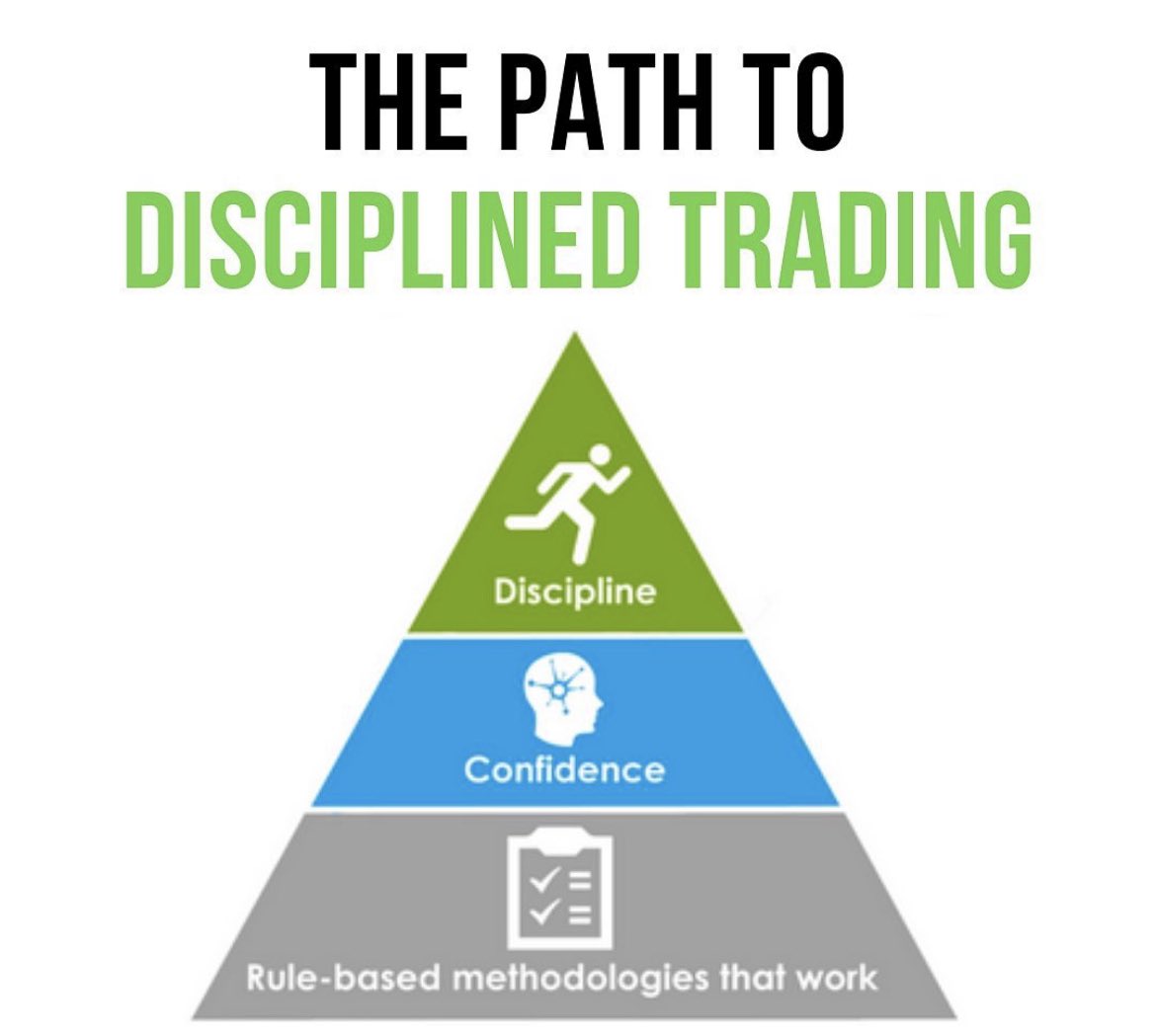
Psychology separates consistent traders from gamblers.
Tabaxi swing trading emphasizes emotional control and routine.
Discipline reduces impulsive decisions.
Market Conditions and Volatility Awareness
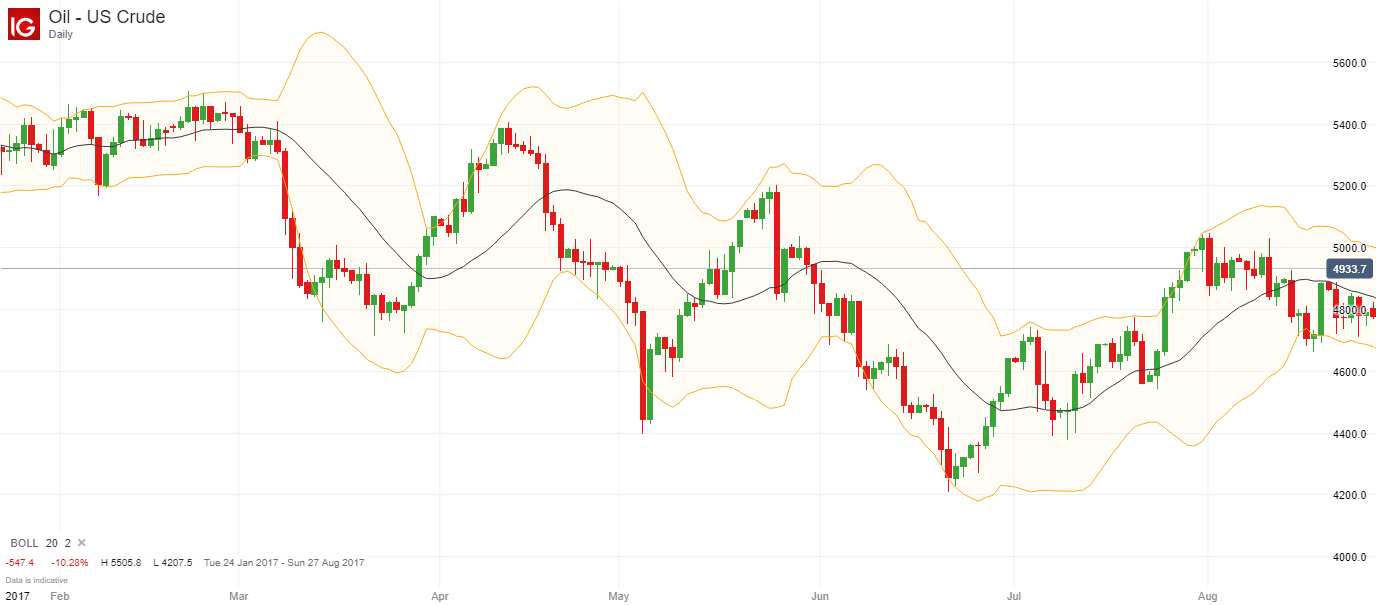
Not all markets suit swing trading.
Tabaxi swing trading adapts to volatility regimes.
Understanding conditions improves strategy selection.
Swing Trading Across Different Asset Classes
Swing trading applies to stocks, crypto, and forex.
Tabaxi swing trading principles remain consistent across markets.
Liquidity and volatility differences require adjustment.
Backtesting and Performance Review
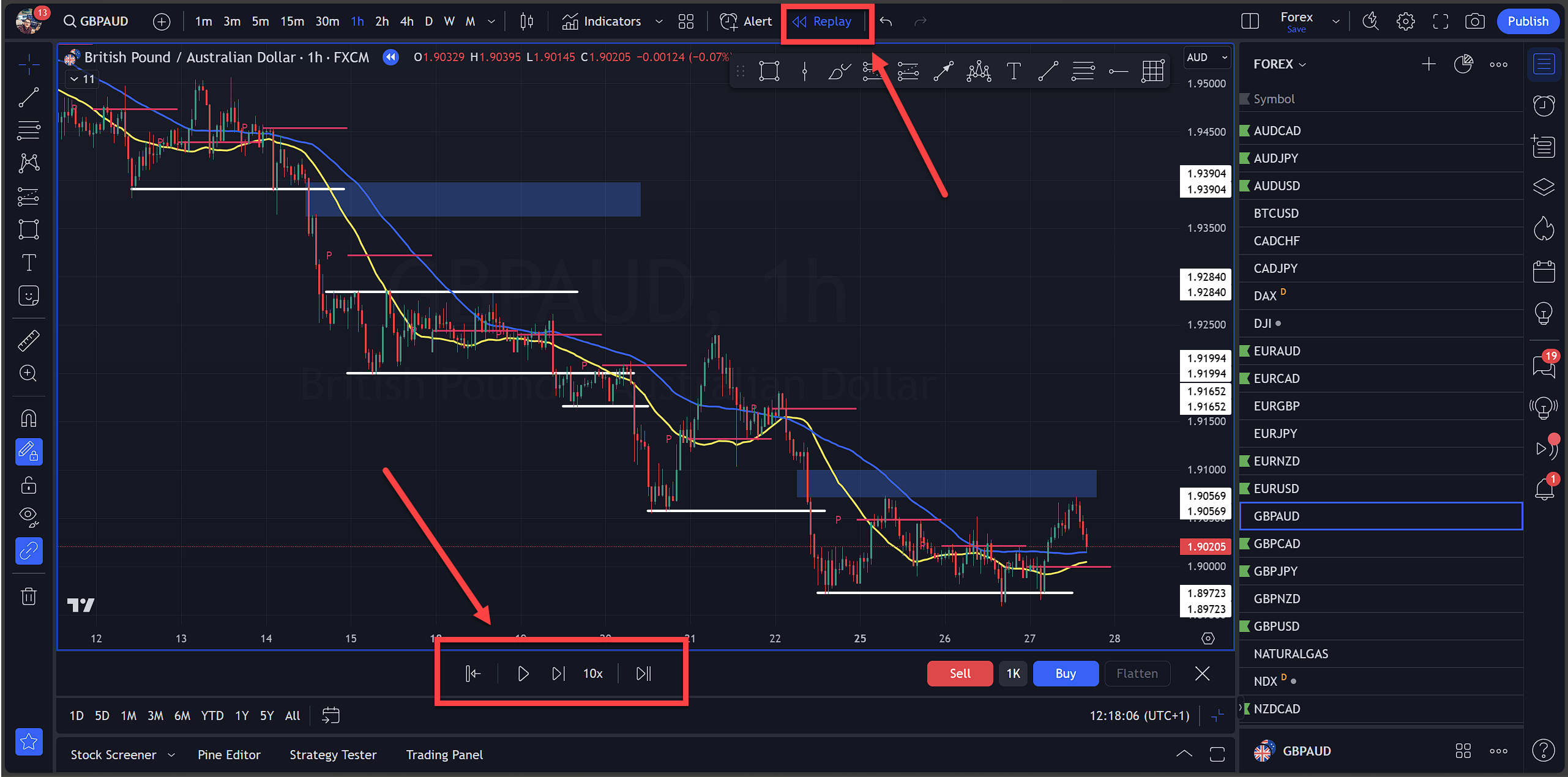
Reviewing past trades improves future decisions.
Tabaxi swing trading encourages journaling and data analysis.
Feedback loops strengthen strategy reliability.
Common Swing Trading Mistakes
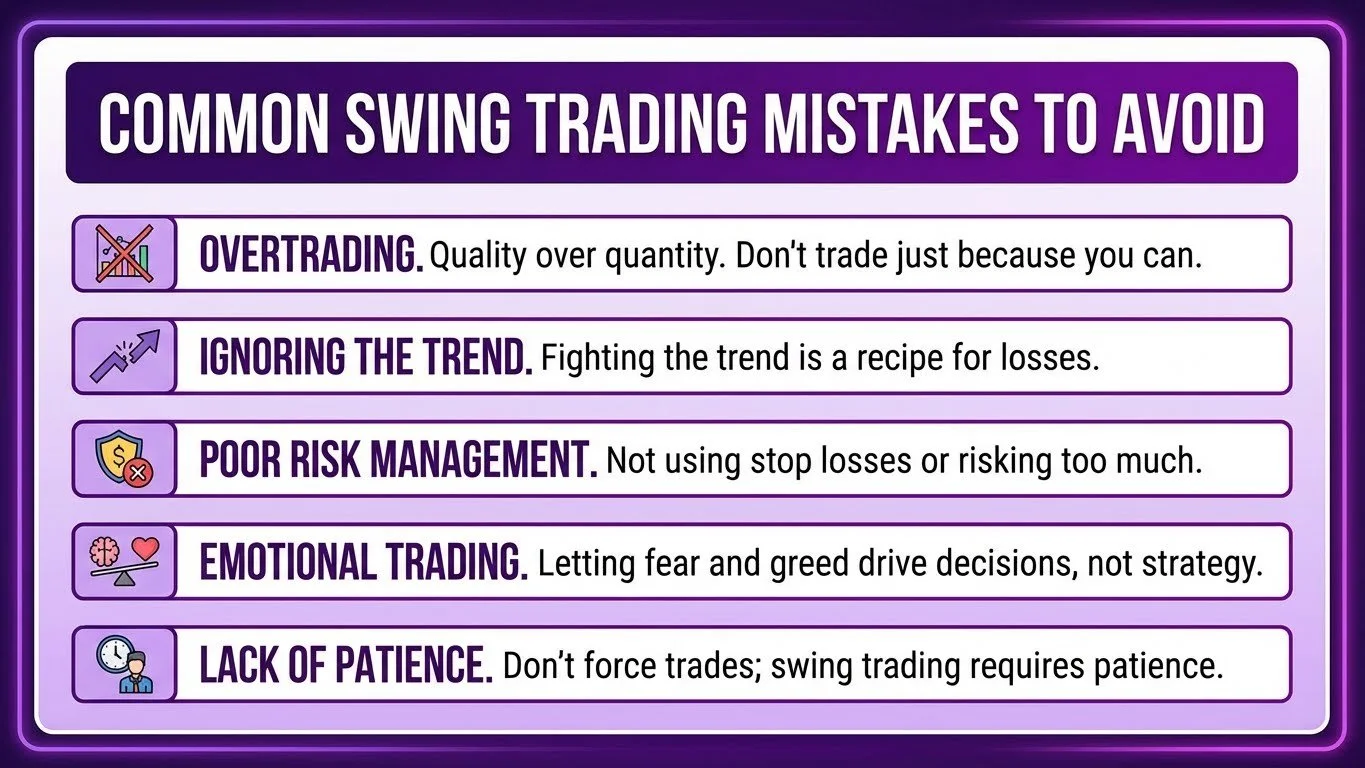
Mistakes include overtrading and ignoring risk rules.
Tabaxi swing trading stresses quality over quantity.
Avoiding errors protects consistency.
FAQ
What is tabaxi swing trading?
It’s a disciplined approach focused on capturing medium-term price moves.
How long are swing trades held?
Typically from several days to a few weeks.
Is swing trading risky?
Risk exists but is managed through structure and stops.
Can beginners try swing trading?
Yes, with proper education and patience.
Does swing trading require constant monitoring?
No, higher timeframes reduce screen time.
Conclusion
Swing trading rewards preparation, patience, and discipline. Tabaxi swing trading strategies focus on structure, risk control, and emotional stability rather than constant action.
By understanding market trends, managing risk, and reviewing performance, traders improve consistency.
Success in swing trading comes from process—not prediction.